
Too busy to recover? A first step that fits a full week
“After this week, I will rest.”
If you have said that sentence many times this year, this post is for you.
The pattern is simple. Your days are full, so rest keeps moving to later. Later never comes, because next week is full too. In the meantime, your body keeps going on whatever energy it has left.
How it looks from the inside
It rarely looks like a breakdown. From the outside, you are doing fine. Maybe even better than most people. But a few small things have changed.
You sit down for a break and feel restless, so you pick up your phone or find a task to do. You sleep seven hours and wake up tense, as if you never fully switched off. Your jaw, shoulders or stomach have been sending signals for weeks, and you have learned to ignore them. Small things irritate you more than they should, like a short email or a question from a colleague.
And recovery always has a start date. After the project. Next holiday. After Christmas.
None of this means something is wrong with you. It means your body has been on duty for a long time and has stopped expecting a break.
Why waiting makes it harder
Your nervous system learns from what happens every day. If it never gets a pause, it stops expecting one and stays alert all the time. For a long time, this can even feel like productivity. You are quick, focused and on top of things. The cost shows up later: less patience, lighter sleep, and a body that needs more time to recover, even after an ordinary week.
This is why “just relax” advice so often fails. It asks a body that is on alert to do the one thing it has forgotten how to do. You do not need more willpower. You need a smaller and safer way in.
The calendar test
Try this. Open your calendar and look for one completely free day in the next month. For many busy people there is none.
A plan that needs a free day is not a plan. It is another “after this week”. So change the question. Do not ask, “When can I rest properly?” Ask, “What is the smallest thing I would really do this week?”
A good first step fits into your real life. It takes less than half an hour, it needs no special preparation, and you can repeat it. If you have to rearrange your whole week to do it, it is too big.
One week is enough to test it
Do not aim for a new lifestyle. Aim for one completed week.
Choose one small thing. It can be ten minutes without your phone, a walk without a podcast, or booking a treatment such as AUVO® Balance. Attach it to something you already do, such as after lunch or before you leave for home. Then pick one signal to follow, for example your sleep, your irritation or the tension in your jaw, and give it a number from 0 to 10 each evening.
On day seven, look at your numbers. The change does not need to be big. A small change tells you something useful: your system still responds when it gets a chance. After that you can repeat the same step, make it a little larger, or try something else.
If you recognize the pattern, take it as good information. Your body is not asking for a total reset. It is asking for a first step you can actually take.
If you want help getting started
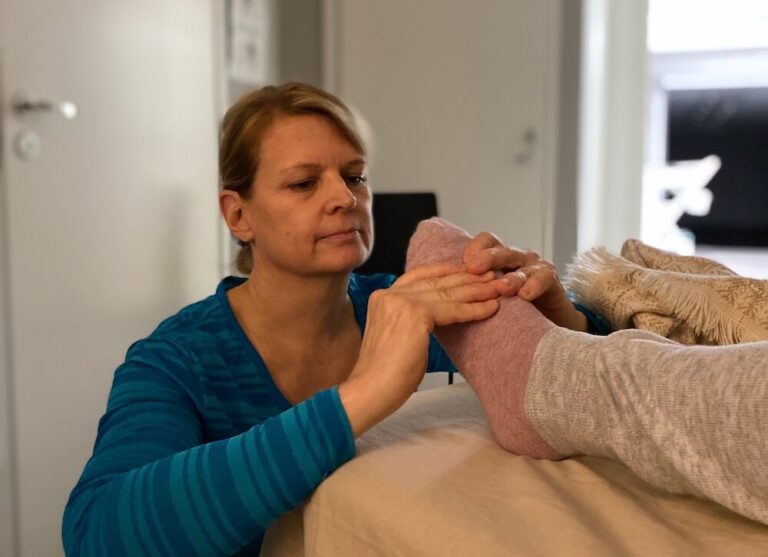
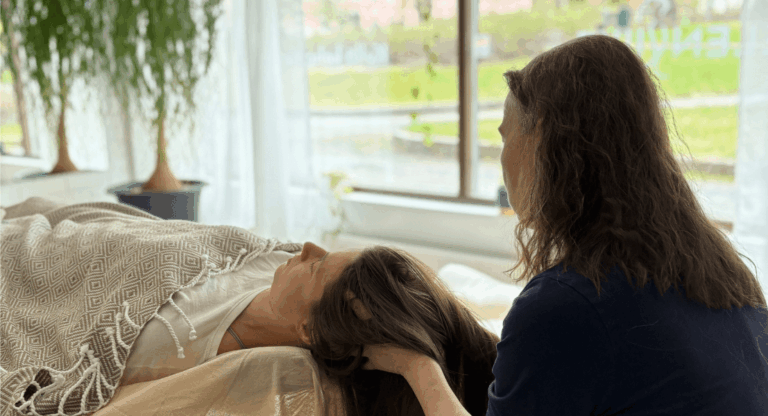
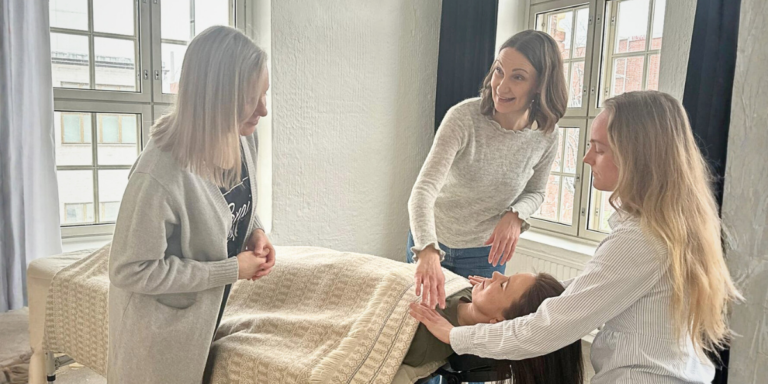
One option is an AUVO® treatment. AUVO® combines touch, music and presence, and every treatment follows the same fixed pattern. You keep your clothes on, and you do not need to talk about anything.
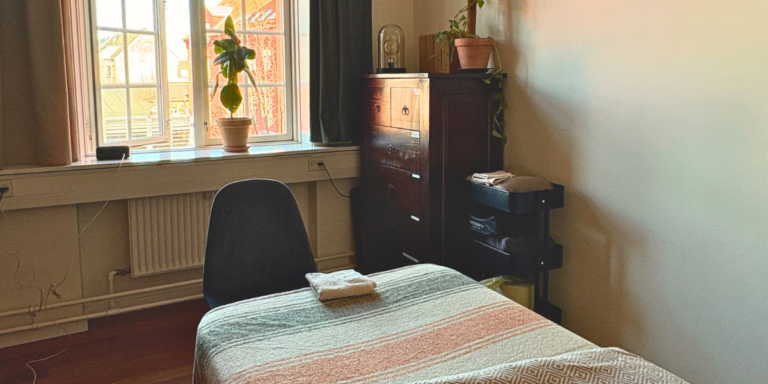
For people with very full calendars, we usually suggest starting with AUVO® Balance. It takes about hald an hour, so it fits into one calendar slot, for example during a lunch break. You do not need to prepare anything. You lie down, and for that time there is nothing to manage, decide or perform. You may just be.
AUVO Balance lets your body slow down, but it is also refreshing and activating, not only calming. That makes it easier to fit between two parts of a working day.
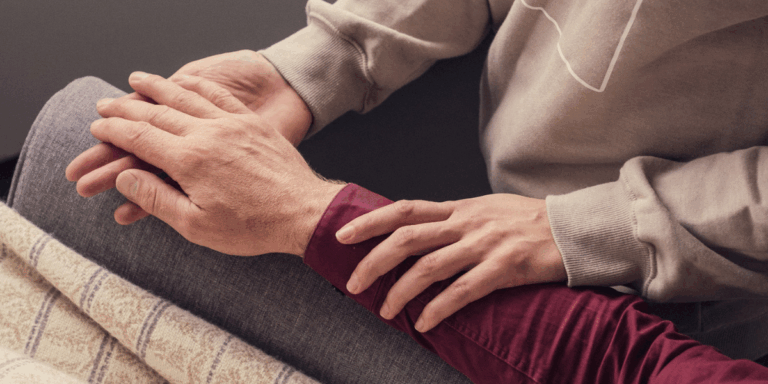
If even that feels like too much, AUVO® Snap takes five minutes and is done sitting down. It is sometimes available at workplaces and events.
A treatment is hard to describe in words. Most people understand it only after trying it once, including those who were sure it would not work for them.
If your symptoms are strong, such as panic, severe sleep problems, low mood or trauma-related reactions, please talk to a doctor or another healthcare professional. Touch can support recovery, but it does not replace medical care.
If you would like to try an AUVO® treatment, you can find a practitioner near you.