When Stress Symptoms Are Strong: Choosing Between AUVO® Snap, Balance, and Deep (A Clear Decision Guide)
When Stress Symptoms Are Strong: Choosing Between AUVO® Snap, Balance, and Deep can feel surprisingly difficult—especially when you’re already tired, overstimulated, or running on autopilot. In those moments, “doing something” is often easier than choosing the right thing. This guide is designed to make the choice clearer by matching session length and intensity to your current load and your realistic recovery capacity, with an emphasis on gradual progress and safety.
Auvo Academy develops the AUVO® method—a structured combination of therapeutic touch, music, and presence that aims to support nervous system calming and stress relief. Whether you are an individual looking for steadier days, a team seeking a respectful reset, or a wellbeing professional exploring training, the key is to choose the option you can actually receive right now, not the one you “should” be ready for.
When Stress Symptoms Are Strong: it starts with capacity
Strong stress symptoms can show up in many ways: difficulty settling, irritability, restless sleep, muscle tension, or feeling emotionally “thin-skinned.” When this happens, the nervous system may be stuck in a loop of high alert—making it harder to benefit from anything that requires effort, analysis, or long attention. That’s why capacity matters: not your motivation, but how much input your system can tolerate today.
A helpful starting point is to think in three questions: How activated do I feel? How much time and space do I truly have? And how do I usually respond to calming interventions—do I soften quickly, or do I need more time before my body trusts the situation? The AUVO approach is built around respectful, structured touch and presence rather than pushing through. This aligns with broader understanding of stress physiology: chronic activation can affect the body and mind in ways that benefit from supportive regulation over time.
A quick self-check before you book Use these cues to match the option to your day—not to your ideal version of the day.
Time reality If 25–50 minutes feels impossible, start smaller so you can succeed consistently.
Input sensitivity If you feel easily overwhelmed, begin with the lightest dose and build gently.
After-effect expectation Choose what allows you to return to your day safely (work, family, training) without feeling “too much happened.”
Support level If symptoms are intense and persistent, consider the longer formats and also appropriate professional support alongside.
AUVO® Snap: a brief, touch-based reset when you need “less, but now”
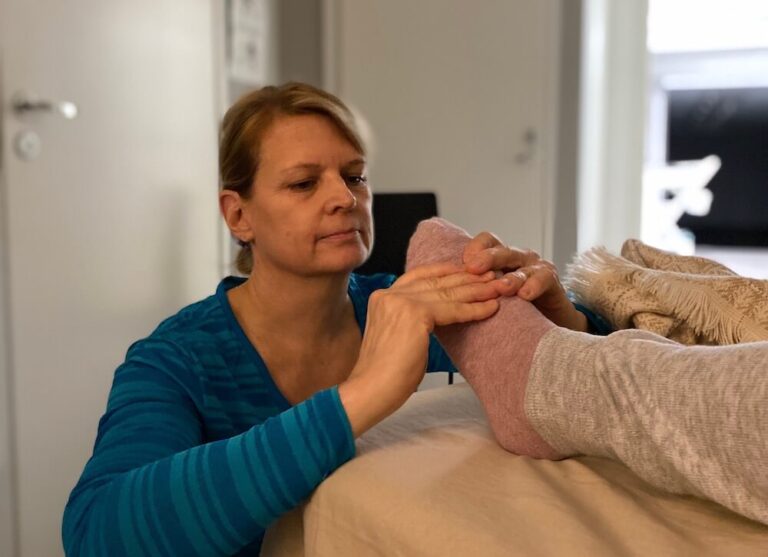
AUVO Snap is a short, five-minute, touch-based treatment designed for the middle of busy life—workdays, events, teams, or athletes who need a respectful moment of pause without committing to a longer session. It’s not a breathing exercise or a guided meditation; its core is therapeutic touch, music, and presence, offered in a clear structure. For many people, that structure and brevity can lower the threshold to receive support when stress symptoms are strong.
Choose AUVO Snap when you’re running on limited capacity: you want support for calming and presence, but you don’t have the time, privacy, or energy for a longer treatment. Snap can also be a smart first step if you’re unsure how your body responds to touch-based calming. The goal is not dramatic change—it is a small, safe shift that can help you continue your day a little more steadily.
For organizations, AUVO Snap works well because it can be offered with low participation pressure: no one needs to share personal topics, and the duration is predictable. If you want a more detailed introduction to this specific service, you can also read AUVO® Snap: A Calm, 5‑Minute Reset for Busy Teams (and Why It Feels Safe).
When you’re stressed, the “best” option is often the one your nervous system can accept today—consistency beats intensity.
AUVO® Balance: the core 25-minute treatment for steady regulation
AUVO Balance is the core format: a 25-minute treatment designed to support nervous system balance and deeper relaxation than a brief reset. It’s often a good middle path when your stress symptoms are noticeable—sleep is lighter, focus is scattered, recovery feels slower—but you still have enough capacity to receive a fuller session. Many people prefer Balance because it has time to settle without requiring a large time commitment.
Choose Balance when you want something you can repeat regularly. In stress recovery, repetition matters: a single session can feel supportive, but stable change usually comes from a realistic rhythm. Balance also fits well when you want to observe patterns—how you sleep after a session, how your mood shifts, how your body feels the next day—without “overdoing it.”
Quick note
If you’re new to AUVO or want the bigger picture of how the method is structured, start with the overview page and come back to this decision guide afterward.
If you’re considering becoming a practitioner, Balance is also the format many professionals start their training with. You can browse upcoming options in different countries via the training pages.
AUVO® Deep: 50 minutes when symptoms are strong and recovery needs time
AUVO Deep is a 50-minute, full sequence designed for stronger stress symptoms or for those seeking deeper recovery. When stress has been accumulating for a long time, the body may need more time before it downshifts—especially if you’ve been “holding it together” for weeks or months. Deep offers a longer window for the nervous system to settle, supported by the AUVO combination of touch, music, and steady presence.
Choose Deep when you can protect the time around the treatment. With stronger symptoms, it can be helpful to avoid rushing straight back into high stimulation. That doesn’t mean you need a perfect schedule—just a realistic plan: perhaps a calmer evening, less screen time, or fewer demanding tasks right after. The goal is to make the benefits usable rather than overwhelming.
If you’d like to read a personal account of how a longer session can feel, this story offers an example without promising identical outcomes for everyone: Deep Restfulness from a Single Treatment – A Client Experience with the Auvo Method.
A clear comparison: choose by time, intensity, and what you can repeat
When you’re unsure, it helps to decide with simple parameters: time available, intensity you can tolerate, and the frequency you can sustain. A shorter format done consistently can be more supportive than an occasional long session that feels logistically difficult. On the other hand, if symptoms are strong and you have the capacity, the longer format may provide the space your system needs.
The table below summarizes the practical differences. Treat it as a starting point—not a diagnosis tool. If you feel uncertain, a gentle approach is to start with AUVO Snap or Balance, learn your response, then progress gradually toward Deep when it feels appropriate.
| Option | Duration | Best fit when… | How to use it safely |
|---|---|---|---|
| AUVO® Snap | ~5 min | You need a brief, low-threshold pause during a busy day; capacity is limited. | Keep expectations modest; repeat when needed and notice small shifts in calm and presence. |
| AUVO® Balance | ~25 min | You want a core treatment that supports steadier regulation and is easy to schedule regularly. | Build a realistic rhythm (e.g., weekly/biweekly); track sleep, mood, and tension gently. |
| AUVO® Deep | ~50 min | Stress symptoms are strong, persistent, or recovery feels “stuck,” and you can allow time. | Protect time after the session; avoid stacking intense commitments immediately afterward. |
Gradual progress plan (simple and realistic) If you want structure, try this step-by-step approach.
Start small Begin with AUVO Snap if your days are full and symptoms spike quickly.
Stabilize Move to AUVO Balance when you can commit to a repeatable rhythm.
Go deeper when ready Choose AUVO Deep when you can protect time and want deeper recovery support.
Reassess monthly Adjust based on what your body shows you—energy, sleep, and resilience in daily life.
Safety, expectations, and when to ask for more support
AUVO treatments are intended to support calming, recovery, and presence, but they are not a promise to “fix” everything quickly. With strong stress symptoms, it’s wise to keep expectations realistic: you may notice a softer nervous system response, easier settling, or a slightly steadier mood—often in small steps. Those small steps can matter a lot over time.
Safety is also about context. If you are in acute crisis, experiencing severe anxiety or depression, or suspect burnout, it can be important to seek appropriate medical or mental health support alongside wellbeing methods. AUVO can be a supportive part of a broader recovery plan, especially when combined with healthy boundaries, rest, and professional guidance when needed.
If you want to find a certified provider or explore what’s available near you, start here: AUVO Practitioners. For more reading at your own pace, you can also browse the full Articles section. And if you want to understand the deeper “why” behind touch-based regulation, this page is a good next step: When Stress Won’t Let Go: How Touch Supports Deep Recovery.
When Stress Symptoms Are Strong: Choosing Between AUVO® Snap, Balance, and Deep becomes much easier when you prioritize capacity, consistency, and kindness toward your current state. Start with what feels doable, repeat it, and let your nervous system learn—gradually—that it is allowed to settle.