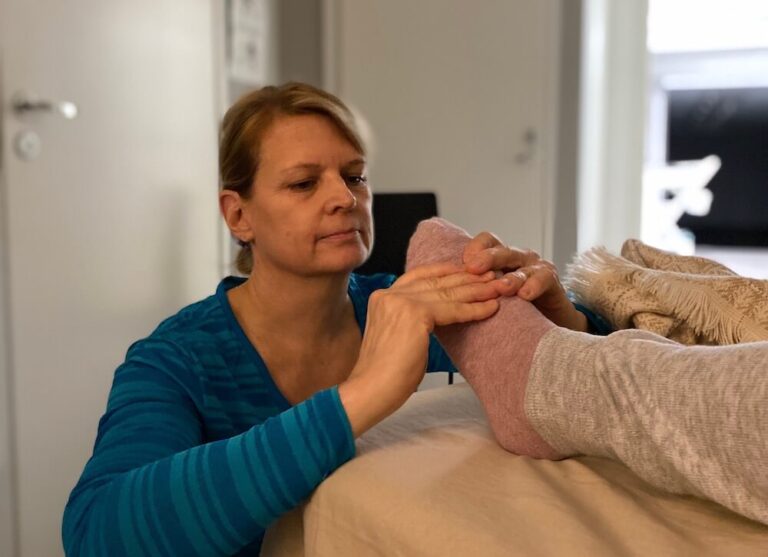

Is therapeutic touch safe when you feel overwhelmed or “on edge”?
Is therapeutic touch safe when you feel overwhelmed or on edge? It can be, if the session is built around clear consent, predictable structure, and your right to pause or stop at any moment. This checklist helps you screen a touch-based wellbeing session before it starts, so you can feel more in control, even on a hard day.
Start with these 3 “green lights”
When your nervous system feels tight, safety is less about “pushing through” and more about protecting your boundaries. In ethical touch work, consent is not a form you sign once. It is an active ongoing agreement.
Three green lights before any touch begins. If you can tick these off, you are in a much safer starting place;
You are offered real choices. You can say “no” or ask for a pause without needing to explain.
The structure is explained upfront. You hear what will happen, for how long, and what your options are if you feel uncomfortable.
Your body cues are respected. A practitioner checks in, watches for signals, and adapts. No pushing, no “this is just resistance”.
A consent-led checklist you can use in 60 seconds
Use this as a quick script. You do not need the “perfect words”. If a practitioner reacts defensively, that is useful information.
Consent language
They ask for permission before touch and before changing anything.
Stop signal
You agree on a simple cue like “stop”, or a hand raise.
Clothing and boundaries
They clarify what stays on, what areas are avoided, and they respect it.
Aftercare
They tell you what to do if you feel emotional, tired, or activated after.
If you cannot easily pause or stop, it is not a safe container for therapeutic touch.
When you are “on edge”: what a safe structure can look like in AUVO® treatments
AUVO combines therapeutic touch, music, and presence to support nervous system settling. The key safety feature is clarity: you know what is happening, you can opt out, and you are not asked to process personal stories to participate.
What first-time clients often find reassuring. Especially when you arrive already tense;
Clear timing. AUVO® Snap is about 5 minutes, AUVO® Balance about 25 minutes, AUVO® Deep about 50 minutes.
Low-pressure participation. You can receive touch-based care without sharing personal details.
Predictable structure. Every AUVO® session follows the same standardized sequence, so you know exactly what to expect — no surprises, no negotiation needed in the moment.
Want to read how the method is framed? Start with reading about AUVO Method.
Pick the right intensity: a simple decision guide
If you are overwhelmed, “more” is not automatically better. Sometimes the easiest first step is the smallest, most predictable one.
| Option | Time | Best first step when… |
|---|---|---|
| AUVO® Snap | ~5 min | You want a brief touch-based reset with a low threshold and clear ending. |
| AUVO® Balance | ~25 min | You can stay with the experience a bit longer and want deeper settling. |
| AUVO® Deep | ~50 min | Your stress symptoms feel strong and you want a longer, supported recovery space. |
If today feels especially heavy, the shorter option is often the easier one to trust. You can always choose a longer session another time.
Risks, red flags, and when to choose a different kind of help
Even though therapeutic touch is safe in general, it is not always the right tool for right now. Touch can sometimes increase activation, especially if you have a history of boundary violations, panic symptoms, or you are in acute distress.
Red flags that should make you pause;
They minimise your “no”. Any pressure to continue is a stop sign.
They avoid explaining boundaries. Vague answers about what will happen, or surprise changes.
They promise quick fixes. Ethical wellbeing work does not claim to “erase” trauma, anxiety, or illness.
Case example: A first-time client arrives feeling wired after weeks of poor sleep. They choose AUVO® Snap because the short, clearly defined format feels easy to approach. Knowing in advance exactly how long the session will last and what it will involve — no small talk required, no need to explain what's wrong — lets them settle in almost immediately. The result is not a miracle, but a clear experience of predictability, which often matters as much as relaxation.
If you want to meet trained practitioners, go to AUVO Practitioners. If you are a professional who wants to learn a structured, consent-led approach, explore AUVO Practitioner Training.
When you feel on edge, you do not need a stronger experience. You need a safer one. Use the checklist, ask for structure, and keep your right to stop as the non-negotiable.