
Touch - a forgotten basic need that affects us all
Touch is one of the basic human needs, yet talking about it is often difficult. Why is that? The importance of touch does not fade with age – we need it throughout our entire lives.
This blog delves into why touch is so essential, what the effects of its absence can be, and how we can restore the value and appreciation that touch truly deserves.
Why are we ashamed to talk about touch?
Touch is vital – it’s a fundamental biological need. But think about it: we can talk openly about sleep, food, and breathing, yet when the conversation shifts to touch, many of us become uncomfortable. Why is that?
Have you ever stopped to consider just how much touch impacts your daily life? A hug at the end of a long day, a friend’s hand on your shoulder, or a small child’s fingers wrapped around your own – these moments may seem ordinary, but their power is far greater than we often realize. Touch isn’t just a pleasant way to show closeness. It’s a basic human need, just like nutrition, rest, or safety.
Think for a moment: when was the last time you said out loud that you needed a hug? Or asked someone to hold your hand? Is touch something we simply haven’t learned to put into words?
What does it mean that touch is a basic human need?
Why is touch important? From the very beginning of life, touch is vital. It supports the development of a child’s brain and emotional world, and without it, healthy growth is disrupted. Safe, nurturing touch in childhood lays the foundation for the closeness and connection we need throughout our lives. But the need for touch doesn’t disappear with age. As adults, touch helps us relax, reduce stress, and build deeper relationships with others. We long for closeness, even if we’re not always aware of it. We need touch throughout our entire lives – right up to our final moments.
When there isn’t enough touch, the consequences can be significant. Touch deprivation is a real and often hidden phenomenon that can cause both physical and emotional symptoms, such as stress, anxiety, sleep disturbances, and even pain. I’ve seen this in my own work and in conversations with clients: touch deprivation affects overall well-being in many ways, but it’s hard to talk about – and even harder to identify.
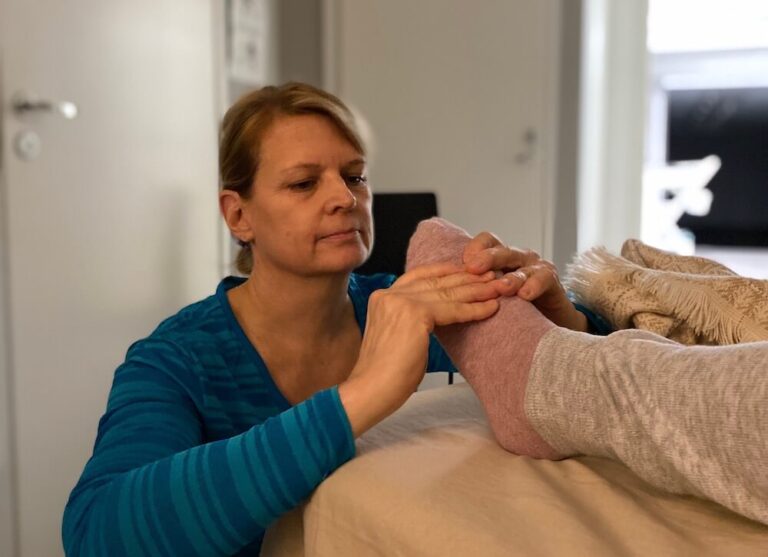
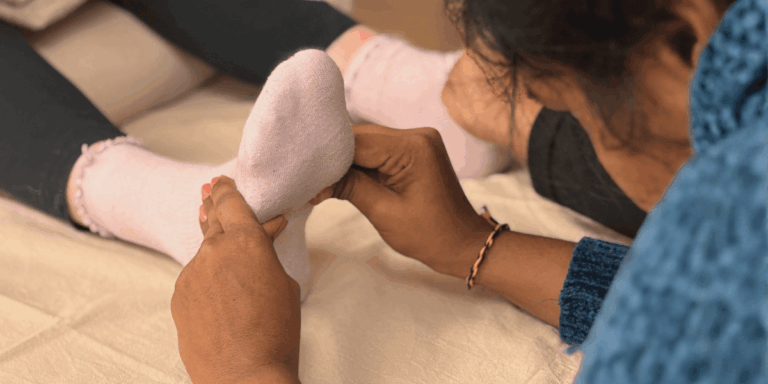
Through my work with the AUVO® touch therapy method, I’ve witnessed the deep impact that a lack of touch can have. Many clients come in for treatment due to stress, tension, or sleep problems. But through the process, they often realize that what they needed most was simply caring, gentle touch. This realization happens again and again. People often don’t even recognize they are touch-deprived until they experience the profound sense of well-being that soft, non-demanding touch can bring. Touch that expects nothing in return – its only purpose being to give the body and mind space to relax.

Touch has become a challenging topic
The #MeToo movement sparked essential conversations about consent and safety, and it led to many positive changes. At the same time, however, it also brought about uncertainty and fear surrounding touch. What once felt natural – like hugs or a gentle hand on someone’s arm – began to feel uncertain. #MeToo did a lot of good, but in some ways, we became so cautious that we forgot how much good and positive there is in touch.
The COVID-19 pandemic had a similar effect. Isolation and the avoidance of physical contact in the name of health made us wary of each other. Touch became something dangerous. As a result of these events, it seems we have partly forgotten the profound positive power that touch holds. It is not only a potential risk – it is also an immense, underutilized opportunity.
The positive effects of touch
The benefits of touch go far beyond the moment we make physical contact. Here are some well-known, research-backed effects of touch:
- Reduces stress: Touch increases the production of oxytocin, often called the “feel-good hormone.” This, in turn, lowers levels of stress hormones in the body.
- Enhances feelings of safety: Physical closeness helps us feel secure and creates a sense of connection with others.
- Strengthens relationships: Touch is one of the most powerful ways to express affection and closeness without words.
- Relieves pain: Touch can reduce the perception of pain and help the body physically relax.
- Eases anxiety and depression: Gentle, nurturing touch can help calm the nervous system and alleviate symptoms of anxiety and depression.
- Improves sleep quality: Touch relaxes both body and mind, making it easier to fall asleep and promoting deeper rest.

Bringing more touch into everyday life - why it matters
Have you ever stopped to think about how deeply touch affects your well-being and how much it really means in your life? Have you talked about touch with your loved ones or friends? Do you know what touch means to them – how much they long for it, and what kind of touch they find comforting?
How can you bring more healing, natural touch into your daily life? It can be something as simple as a hug between friends, a gentle hand on the shoulder when greeting someone, or a soothing stroke on your child’s back. Do you remember how good it feels to just sit beside your partner, leaning gently against them while watching TV? Maybe you’ll try staying in a hug a little longer or resting your hand on someone else's when words don’t come easily. It’s not just about giving touch – you also deserve to be noticed and touched with care!
Touch is a powerful force that we all need. In our future blog posts, we’ll dive deeper into this topic and share stories and experiences about how touch can improve our lives.
Join us on this journey, and invite your loved ones and friends along! Follow the blog and our social media posts – as a community, we can help restore the value of touch as a natural and essential human need.