How can you recognize prolonged stress?
Do you constantly feel exhausted, even after a full night’s sleep? Do everyday challenges feel overwhelming? You might be experiencing prolonged stress – the kind that can quietly creep into your life without you even noticing. This article will help you recognize the symptoms of chronic stress and offer tools to manage it.
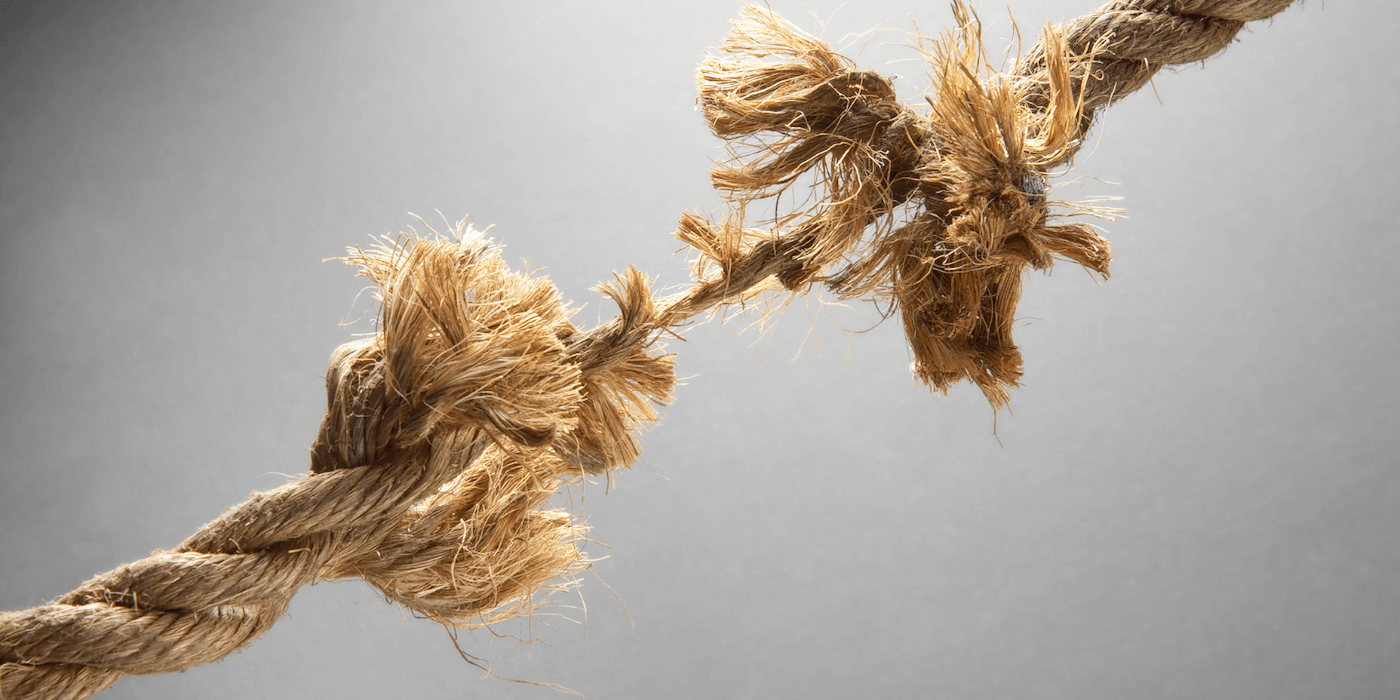
An acute stress reaction can be triggered in the blink of an eye – but recovering from it takes significantly longer. The body and mind need time to return to balance. When stress becomes frequent, the body doesn’t have enough opportunities to recover. As a result, we never fully return to baseline, and the accumulated load gradually increases. Over time, this leads to prolonged or chronic stress.
Stress: a vital human survival mechanism
Stress reactions have been essential for human survival since ancient times. When our ancestors lived on the savannas and in forests, stress helped them stay alive – it prepared them to respond to danger. Even today, stress plays a necessary role in helping us cope with daily challenges.

The Body-Mind Stress Response System
The stress mechanism is a highly complex process involving the brain, nervous system, and various neurotransmitters. When we encounter a stressful situation, the body reacts instantly: heart rate increases, breathing becomes faster, and muscles tense up. This is the acute stress response – a natural reaction that typically lasts from minutes to a few hours.
Recovering from Acute Stress – and Why It Matters
The body is wise – it is always working to restore balance. That’s why, after an acute stress reaction, our system naturally begins to recover. This recovery process is most effective during sleep, when the body’s resources are replenished and healing occurs.
In a well-functioning system, balance is restored. All of this happens automatically and naturally – as long as the body is given enough time and space to adapt and recover.
Why Prolonged Stress Becomes a Problem
Problems begin to arise when the body is unable to recover from stress. In other words, if the system cannot adapt properly, the stress response stays active, and the body remains in a prolonged state of activation. When this continues over time, it leads to what is known as allostatic load – a cumulative burden on the body’s systems. Gradually, this strain can affect multiple organ systems and, in the long term, contribute to the development of chronic illnesses.
The Difference Between Acute and Chronic Stress
Acute stress is relatively easy to identify because its symptoms are immediate and physiological. Most people can recall a frightening or high-pressure situation – heart pounding, hands trembling or sweaty, shaky voice, rapid breathing. These are all classic signs of an acute stress reaction. Chronic stress, on the other hand, is much harder to detect. Its effects accumulate gradually over time, and we often don’t notice the shift because the mind adapts to slow change. We become numb to the ongoing strain.
Symptoms of Prolonged Stress
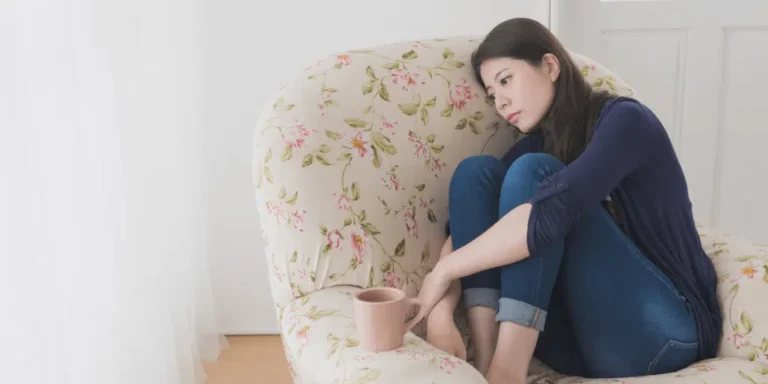
Chronic stress can manifest in many ways, impacting both physical and mental well-being. Physical symptoms may include persistent fatigue, headaches, digestive problems, muscle tension and heart-related symptoms. Mental symptoms may include low mood or depressive feelings, anxiety, difficulty of concentrating and memory problems. Additionally, stress can cause behavioral changes, such as disrupted sleep patterns, changes in appetite and increased irritability. Together, these symptoms can significantly reduce your quality of life and daily functioning.
One of the most common signs of chronic stress is persistent exhaustion – the feeling of being drained, even after a full night’s sleep. Prolonged stress deeply affects sleep in many ways.

How to Recognize Prolonged Stress
There are several ways to detect chronic stress. Wearable technology, such as smartwatches or smart rings, can be useful tools. These devices track resting heart rate and heart rate variability (HRV). An elevated resting heart rate during sleep or a decrease in HRV can be signs of increased physiological stress load – indicating overactivation of the sympathetic nervous system. You might also notice that you get short of breath more easily during physical activity, or that your heart rate is unusually high even with light exertion.
Chronic stress may also show up as poor sleep quality, low mood, changes in appetite, difficulty concentrating or remembering things and unexplained aches and pains. Stress is considered chronic when its effects persist for several months or even years.
Why It’s Hard to Interrupt Chronic Stress on Your Own
Many people find it unfamiliar or difficult to tune in to their inner state in a conscious, reflective way. And paradoxically, stress itself makes self-awareness even more difficult. When we are stressed, our attention narrows and becomes focused on threat and survival. This reduces our capacity for creative thinking, problem-solving, and seeing the bigger picture.
If your stress load is making you feel trapped – as if there’s no way out – it can feel nearly impossible to consciously slow down, find calm, and step outside your situation to gain perspective.
Support for Breaking the Cycle of Chronic Stress
There are many ways to interrupt the cycle of prolonged stress. Gentle, restorative movement, time spent in nature, and various psychological recovery methods can all be helpful. However, one of the challenges with these approaches is that they are active strategies – they require personal effort and engagement. But recovery is not something you can force or “accomplish.”
If these active techniques are unfamiliar or haven’t been practiced before, it can feel overwhelming to try and adopt them when you're already burdened by stress. In such moments, even the thought of learning something new can feel exhausting.
How Touch Can Help Interrupt Chronic Stress
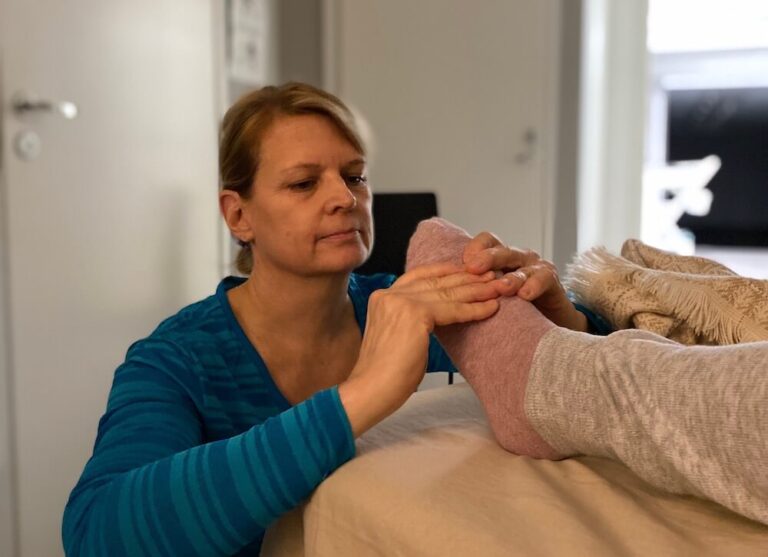
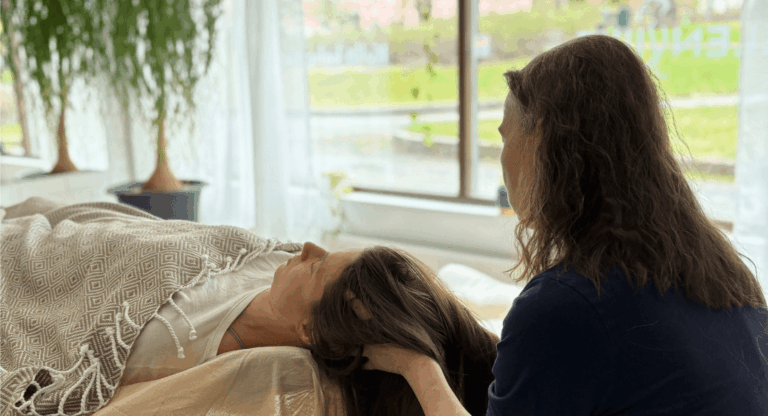
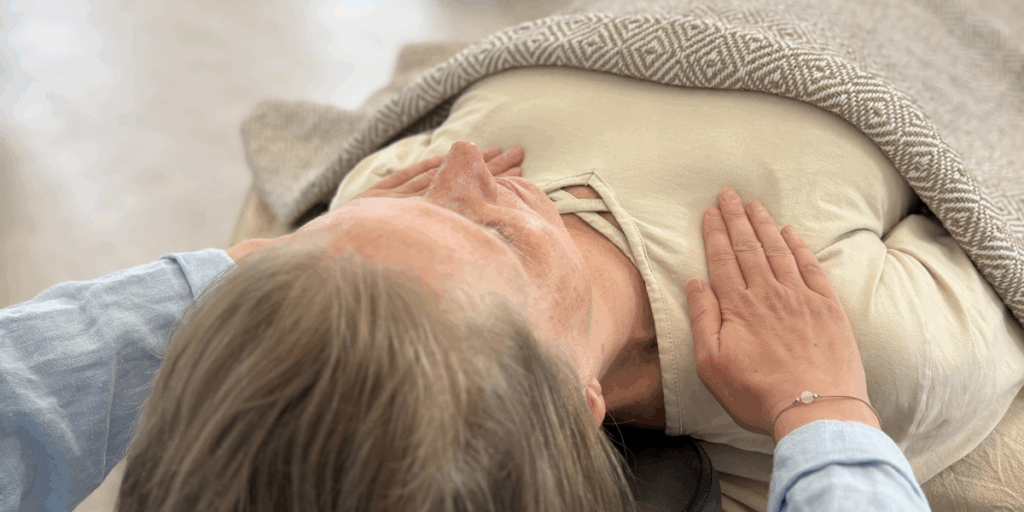
When active strategies feel like too much, passive methods such as touch-based therapy may offer meaningful relief. In times of overwhelming stress, we benefit greatly from co-regulation – that is, the presence and support of another person who can help guide and settle our nervous system. One of the most effective forms of co-regulation is gentle, caring, and calming touch.
The AUVO® Method combines targeted therapeutic touch with music. During the session, the client doesn’t need to do anything – truly nothing at all. You don’t have to slow your breath or direct your thoughts. These naturally begin to calm as the treatment unfolds. You are simply allowed to rest. To just be.
Summary
Recognizing and addressing prolonged stress is essential for overall wellbeing. It’s important to learn how to identify your own signs of stress and discover recovery methods that work for you. If the stress feels overwhelming, don’t hesitate to seek support from a professional.