Do you recognize touch deprivation?
Vital touch
Humans need touch. This isn’t just an opinion. It’s a fact backed by numerous studies. Touch is essential for both physical and mental well-being. It supports health, calms the body and mind, and strengthens human connection. For a child’s development, touch is absolutely crucial, but the need for it doesn’t disappear in adulthood. We still rely on touch to feel safe, close, and connected.
But what happens when touch is missing? Have you heard of touch deprivation?
What is touch deprivation?
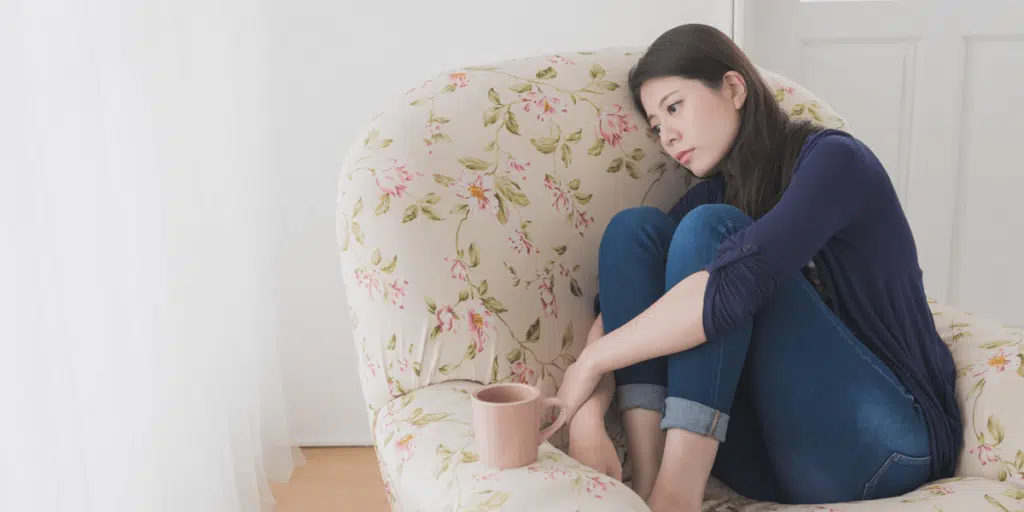
Touch deprivation refers to a situation where a person doesn’t receive enough physical contact or closeness from others. While it can result from loneliness, it also happens within families and romantic relationships. It’s especially common among elderly people and those who live alone – but in reality, it can affect anyone. Even people who are surrounded by others may go without meaningful physical touch. It’s far more common than we tend to realize.
Touch deprivation is an underestimated and poorly recognized phenomenon. Even though its effects are well studied, it can be difficult to identify, because the lack of touch doesn’t produce visible symptoms. There’s no rash, no fever, no injury. Instead, it shows up subtly: as stress, tension, sleep difficulties, anxiety, or low mood.

Effects and symptoms of touch deprivation
Touch deprivation can lead to a wide range of physical and emotional symptoms. These might include muscle tension, chronic pain, difficulty regulating emotions, fatigue, increased stress, anxiety, or depression. Because the symptoms are similar to those caused by other everyday issues – like sleep deprivation or work stress – they’re often misunderstood. People may seek help for physical or emotional complaints, without realizing that the root cause is a lack of safe, nourishing touch.
Touch can surprise you — recognize your needs
I’ve seen it countless times: clients arrive expecting relief from stress or tension, but leave with a deeper realization. They hadn’t come for the touch itself. But during the session, something clicks. They realize what they had really been missing.
Many describe how touch feels almost overwhelmingly good after being without it for so long. The nervous system responds like it’s waking from hibernation: pausing in quiet awe at how good something so simple can feel.
Touch deprivation and its impact on society
Despite being widespread, touch deprivation is rarely discussed. The #MeToo movement and the pandemic greatly reduced physical contact between people, yet even then, the topic didn’t enter the public conversation in a meaningful way. The need for touch – and the pain of its absence – are not new. Still, talking about them remains difficult.
In Nordic societies like Finland, touch carries its own tensions. We may hug our loved ones, but personal space and boundaries are deeply ingrained. Recent years have made the issue even more complex. And while this reflection is grounded in a Nordic context, it’s worth remembering: touch deprivation can affect anyone, anywhere.
What kind of touch do you long for?
Each of us has different needs when it comes to touch. Some need more, some less. That’s why it’s so important to speak openly about it. Have you ever shared what kind of touch you long for? Is it easy for you to ask for a hug? Or offer comforting touch to someone else?
While nature, pets, yoga, etc. can provide similar calming benefits, they don’t fully replace the acceptance and connection that come through another human’s touch. The absence of touch can have deep and lasting effects. But its ability to restore is just as powerful.
Touch helps and heals
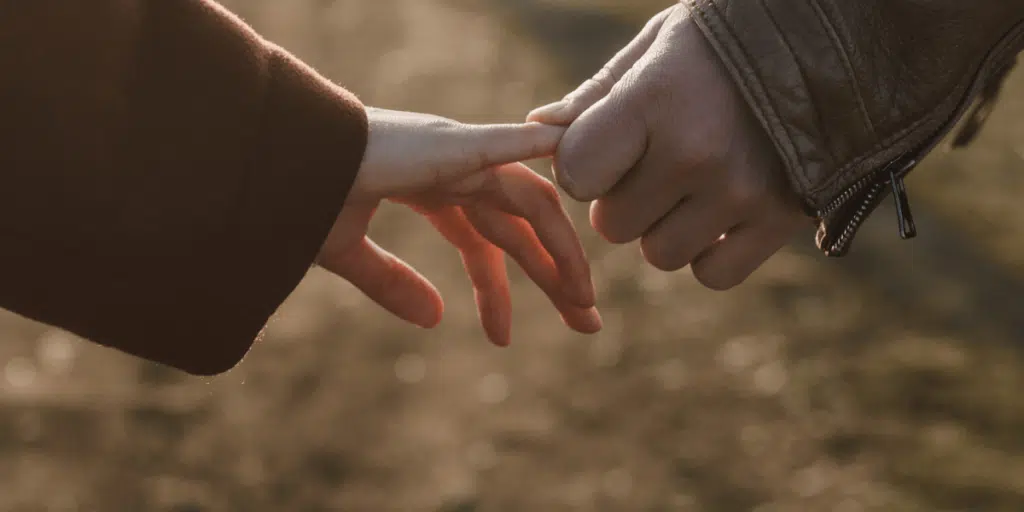
The power of touch is incredible. It relaxes the body, calms the mind, and restores balance in a holistic way. The more I talk about it, the more I realize how difficult and sensitive this topic can be – especially in our culture. But that only makes it more important.
Let’s talk about it. Let’s learn to recognize it. Let’s make safe, caring touch part of everyday life again.
→ Follow @auvomethod on Instagram for more insights, gentle practices, and education around touch.
→ Share this blog if it resonated — someone close to you might need it, too.